

The National Weather Service is predicting a less severe hurricane season than usual for 2026. As the chart below shows, the chances of below normal activity are better than even. Nonetheless, as many as half a dozen hurricanes are predicted, and one to three are expected to be major hurricanes, with winds of 111 miles per hour or more.
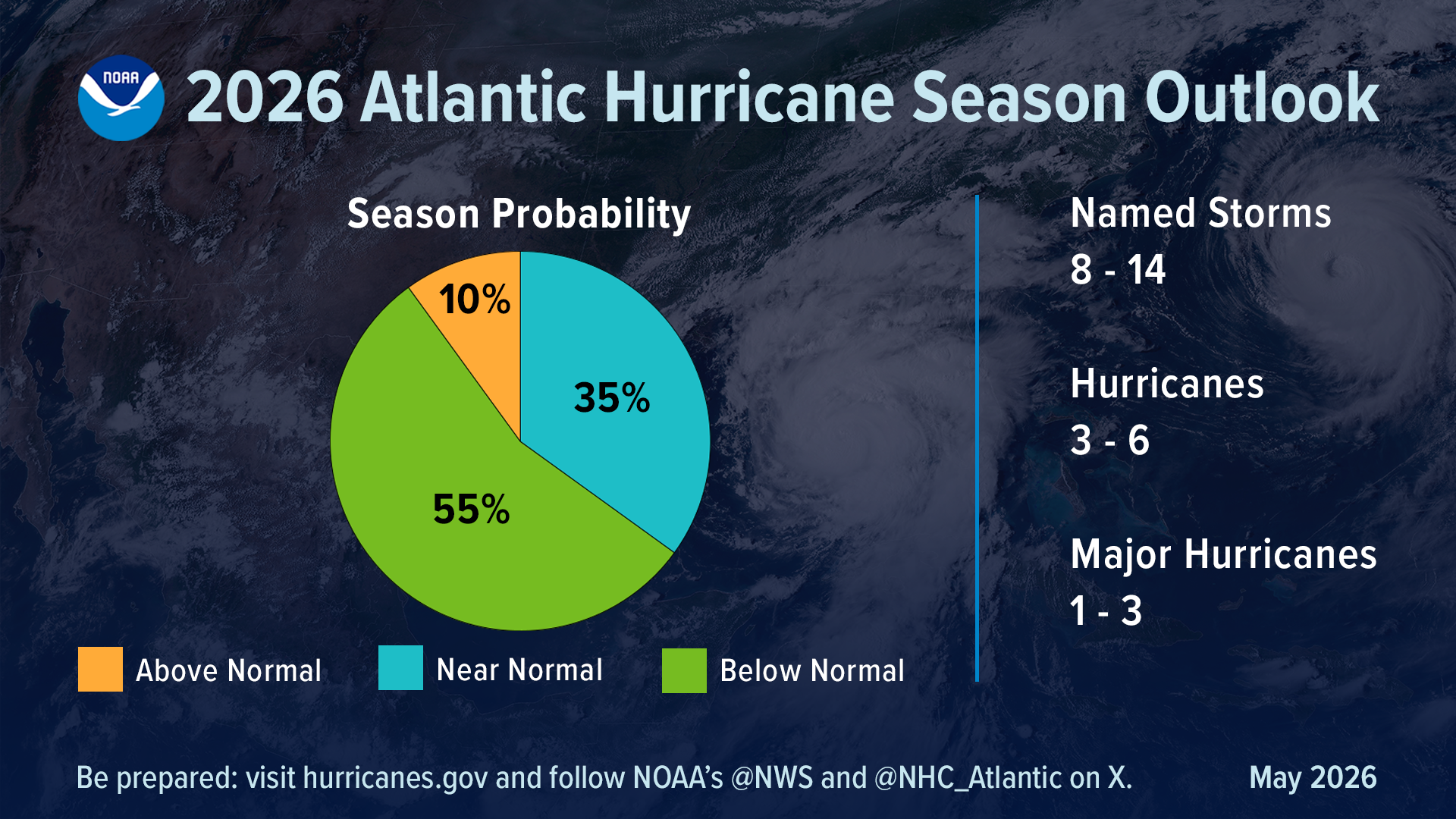
One factor is El Niño conditions, which tend to suppress hurricane activity. Hurricanes build a vertical stack of storms that allow dangerous winds to develop. El Niño creates strong winds in different directions, preventing the tropical storms from organizing into hurricanes.
NOAA is also increasing use of AI tools, innovations which they hope will result in better predictions.
Preparation
Puerto Rico is preparing for the hurricane season. FEMA joined the National Weather Service and the U.S. Coast Guard for simulations intended to identify weaknesses and plan responses. This followed earlier exercises by the territorial government, which also has coordinated multiple agencies to ensure preparedness.
Individual preparation is still very important. Here are some steps you can take to safeguard yourself and your family:

Know the best evacuation route and sign up for emergency alerts.
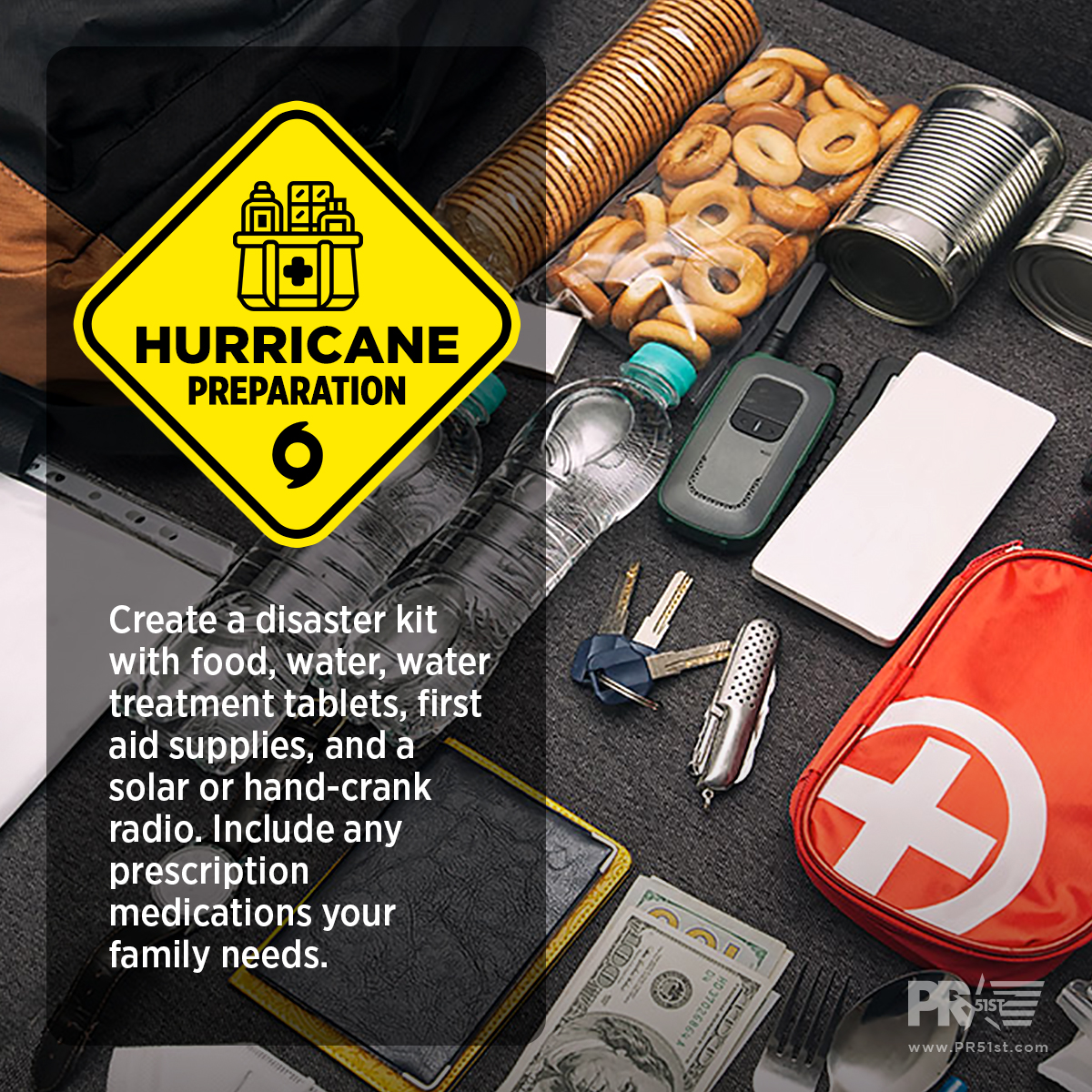
Create a disaster kit that you can grab before you leave your home in case of evacuation.
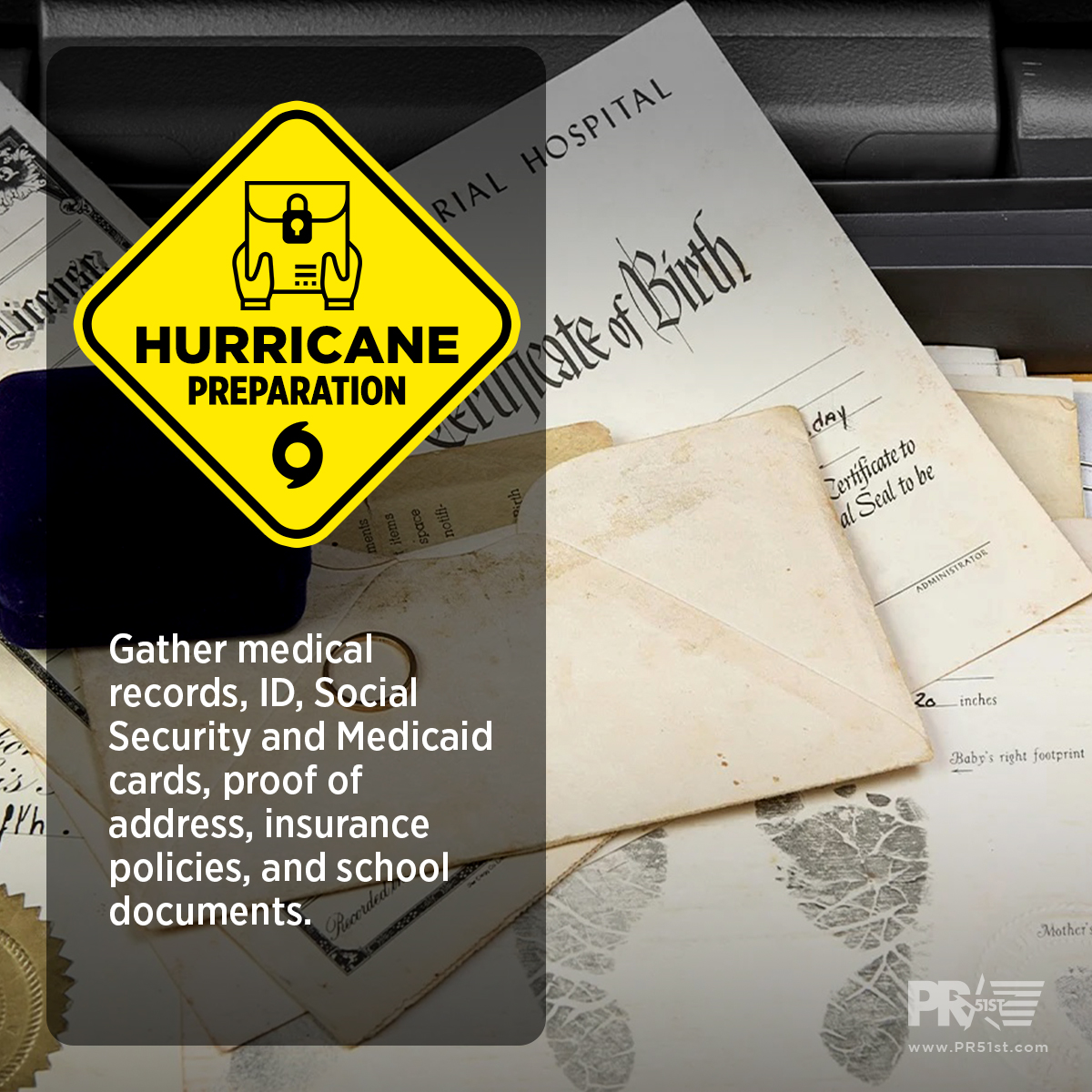
Include important documents in your disaster kit. Not having these documents can make it harder to get emergency services and to rebuild your life if it comes to that.
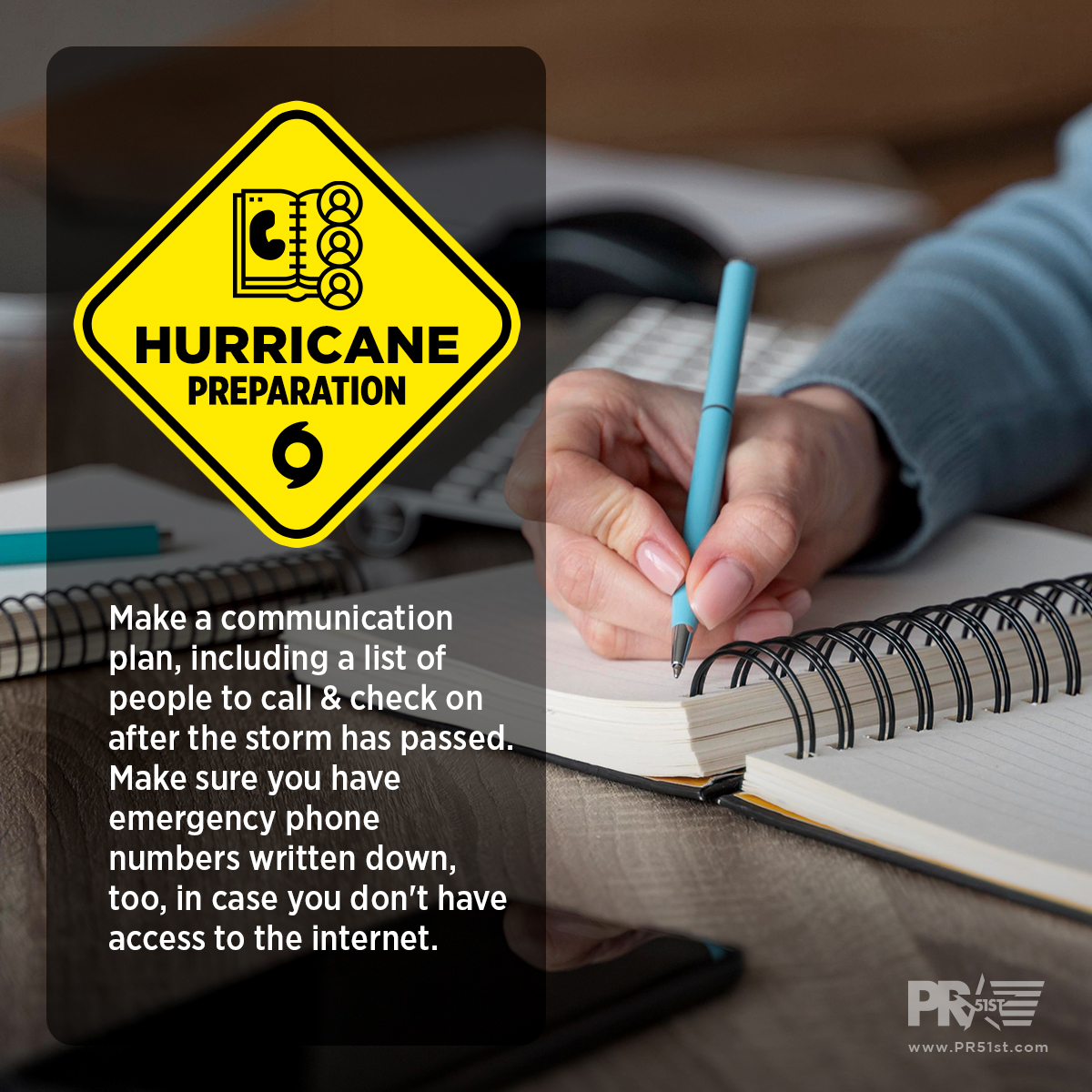
You should also be sure to include important names and phone numbers in case of communication breakdown. many of us, if we lost our phones and didn’t have internet access, would have trouble remembering the numbers of even close family and friends.
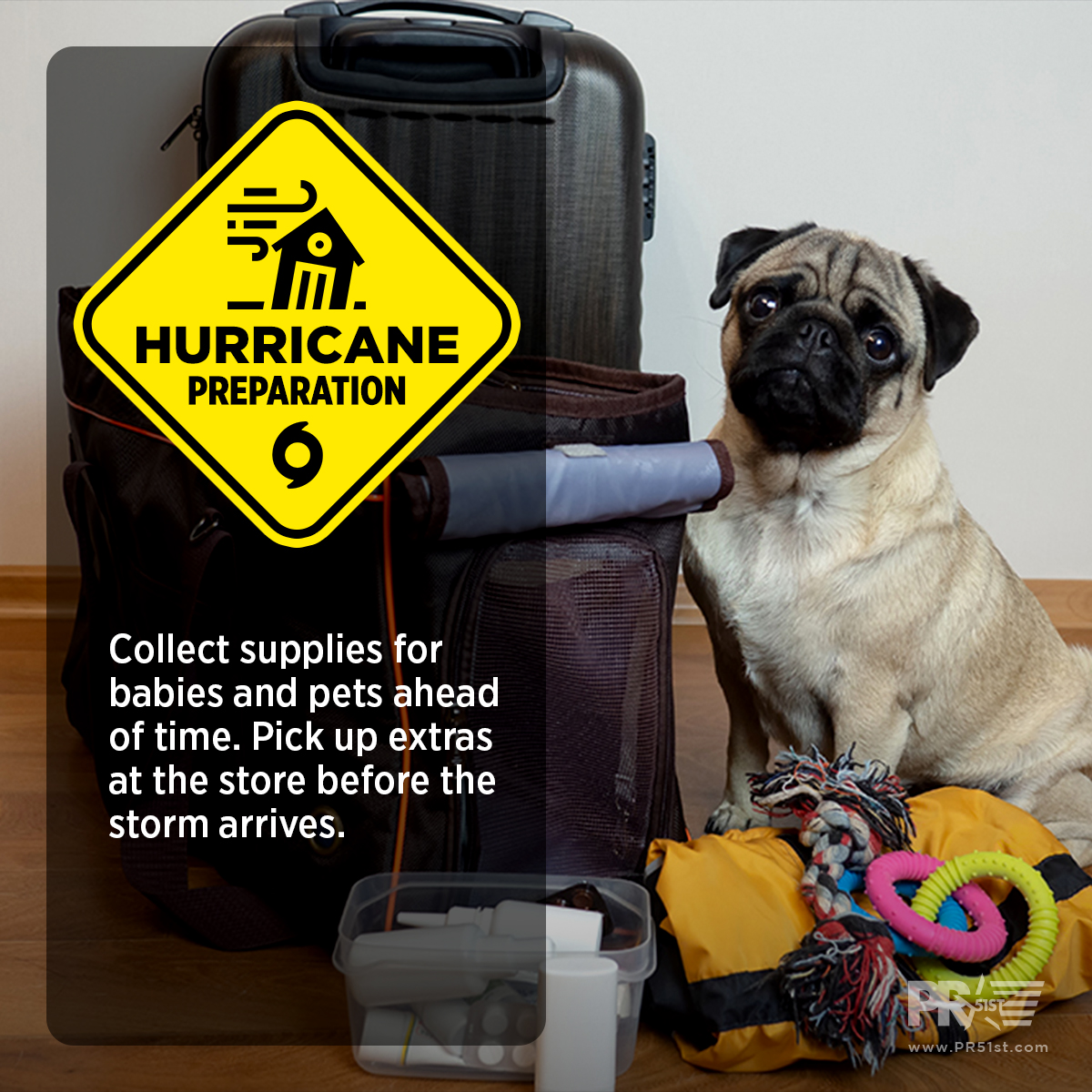
Include the things you need for your babies and pets. Having an extra package of diapers or dog food can reduce stress — and if you don’t need them during hurricane season, you can still use them afterwards.
No responses yet