

A reporter once asked former Governor Luis Fortuño whether Puerto Rico’s status should be dealt with before immigration reform. “That’s an interesting question that you pose,” the Governor responded. “In the case of the Puerto Rican citizens that reside in Puerto Rico, you’re dealing with American citizens… Shouldn’t you first deal with your own?”
Fortuño was criticized for this comment, which some within the Hispanic community have judged divisive. However, the widespread misunderstanding of Puerto Rico’s relationship has left many in the U.S. ignorant about the human rights issues involved in that relationship.
That is, people in the U.S. may rightfully be concerned about the difficult position of undocumented workers in the U.S. without realizing that the people of Puerto Rico — native-born citizens — do not have full citizenship rights, either. Having been citizens of the United States for nearly a century, Puerto Ricans might expect to have their concerns dealt with now, rather than at some point in the future after the controversial immigration reform issue has been solved.
Immigration reform
The United States is a nation of immigrants, but there is widespread dissatisfaction with many aspects of the current immigration system. The Center for American Progress sums it up like this: “America needs to fix its broken immigration system. Bipartisan reform attempts have repeatedly failed over more than three decades, as Congress has kicked the can down the road without solving fixable problems.1 The existing, outdated system fails us all. We must make the immigration system work for America.”
The question of what should be done for undocumented residents of the U.S. includes some moral and legal ambiguity. There are those who did not want to offer amnesty for people who entered the United States illegally because they sincerely believe that doing so would reward lawbreakers. There are those who believe with equal sincerity that people who have lived and worked in the U.S. for many years should be given a practical opportunity to regularize their situation — and perhaps especially those who entered the U.S. as small children and therefore did not at any point choose to break the law. Both points of view are defensible.
Puerto Rico
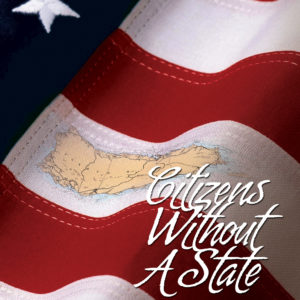
However, the people of Puerto Rico are unquestionably citizens already. There is no legal or moral uncertainty there. They fight in the U.S. armed forces, pay taxes (though not usually federal income taxes), and yet cannot vote for the President and have no voting representation in the legislature. As a result of their lack of a voice in government, Puerto Rico does not have the same level of support as states have. Again, there is no moral uncertainty here; Puerto Rico does not have the same financial support or protection as the states. We have also rejected our territorial status and are currently being governed by the United States essentially as a colony, without our consent. In the 21st century, it is hard to imagine that there could be much controversy over Puerto Rico’s right to self-determination.
Politically, the question that matters now is which party will get credit for delivering on equal rights for 3.2 million Hispanic citizens in Puerto Rico who are unquestionably citizens of the U.S. Perhaps both parties can get credit for doing something real and meaningful for Hispanics that is not legally ambiguous and constitutionally confusing. Wouldn’t it be nice to do something that confirms our nation’s creed going back to the Northwest Ordinance and can be celebrated as such?
The rising importance of Hispanic voters has persuaded both political parties that the concerns of Hispanics should be given greater importance, and for many people, that immediately brings to mind immigration reform, though of course not all undocumented immigrants are Hispanic. Congress could take action on Puerto Rico’s status and thus demonstrate awareness of and concern for the Hispanic population of the U.S. Doing so might even clear away that particular aspect of the immigration reform debate and make it easier to make progress on solving the problems inherent in that debate.
Do you agree that it’s time for Congress to take action and support self-determination for Puerto Rico? Reach out to your legislators, and let Washington know that voters care about this issue.

No responses yet