
“Truth, justice, and the American way” is what Superman is always fighting for. Captain America, who should probably be called Captain Puerto Rico, has a less inspiring catchphrase: “I can do this all day.” However you feel about superheroes and their catchphrases, “truth, justice, and the American way” is certainly the phrase that describes the Puerto Rico Statehood movement.
As we prepare for the 250th anniversary of the Declaration of Independence, we have an opportunity to think about what “the American way” really means. The answer should be based on the founding principles of our nation.
Truth
For decades, Puerto Rico voters have been told things that are not true:
- That Puerto Rico has a “best of both worlds” relationship with the United States which can be “developed” into an “enhanced commonwealth” giving the Island privileges offered to no state.
- That an independent Puerto Rico could keep U.S. citizenship and U.S. financial support — and possibly upgraded versions of both those things.
- That court decisions or political lobbying can provide permanent equality for Puerto Rico.
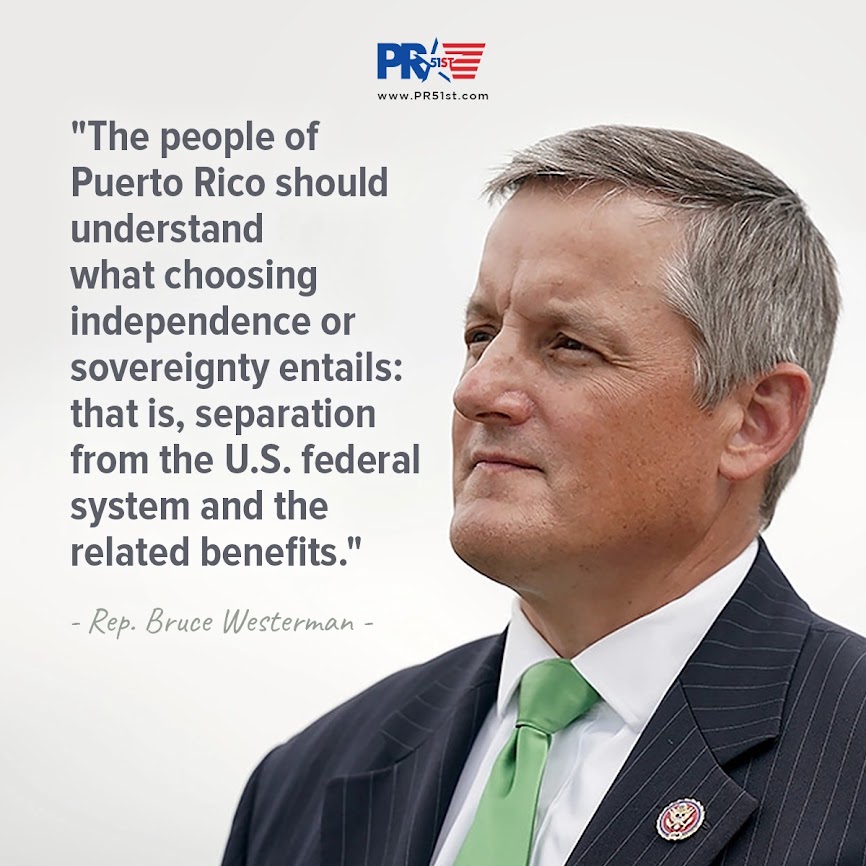
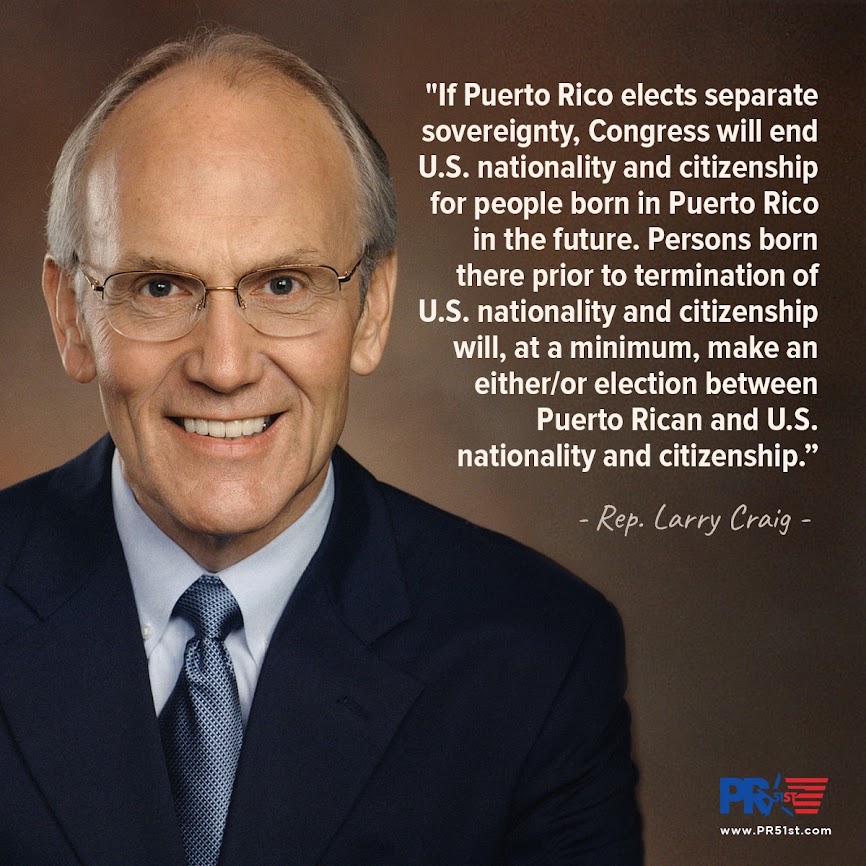
It’s time to be honest. Puerto Rico is an unincorporated territory subject to the plenary power of Congress. Each Congress can make new rules for Puerto Rico. Permanent change comes only with status change. If the permanent change were independence, Puerto Rico would no longer be under U.S. sovereignty and could not expect citizenship or support.
Justice
Residents of Puerto Rico do not have the full protection of the U.S. Constitution. They do not have the power to vote in presidential elections. They don’t receive the same federal benefits as people living in states.
This is not justice.
The American way
According to the Gilder Lehmann Institute of American History and the National Constitution Center, the Declaration of Independence establishes four main principles:
- Equality: “All men are created equal” — and in modern English, we would say, “All people.” The means that residents of Puerto Rico should not have limited rights compared with those living in states.
- Natural rights: Human rights are natural and do not depend on the whims of a tyrant. These rights include, “life, liberty, and the pursuit of happiness.”
- Popular sovereignty: “Government by the consent of the governed.” This means that, since Puerto Rico has repeatedly voted against continuing as a territory, it is un-American for Congress to continue to hold it as a territory.
- The rule of law: Everyone must respect and follow the law. But the people of Puerto Rico live under unequal application of federal laws. Equally, the fact that Puerto Rico’s residents are not equally represented in the government violates the rule of law’s fundamental application by withholding the consent of the governed to the laws that govern the Island.
A commitment to truth, justice, and the American way gives us no choice but to support statehood for Puerto Rico. Reach out to your legislators today.
No responses yet