
In early March 2026, Puerto Rico statehood advocates converged on Washington, D.C., for the Puerto Rico Equality and Statehood Summit, a focused three‑day push to put the island’s political status squarely on the agenda of the 119th Congress. Organized by Governor Jenniffer González‑Colón in coordination with the Puerto Rico Federal Affairs Administration (PRFAA) and the Puerto Rico Statehood Council, the summit combined training, coordination, and direct lobbying in a disciplined campaign.
A national movement
Roughly 150 participants—statehood volunteers, municipal leaders, professionals, and youth activists from across the country—fanned out across Capitol Hill and the federal agencies, holding about 140 meetings with senators, House members, key staffers, and executive‑branch officials. The goal was straightforward but ambitious: to make decision‑makers personally aware that Puerto Rico’s territorial status denies full equality to millions of U.S. citizens.
While Puerto Rico’s position was not news to all the leaders being visited, the goal was to end the default position of accepting the situation and waiting for 100% consensus. Instead, activists pressed them to support an admission bill for statehood rather than another open‑ended debate.
Start by learning
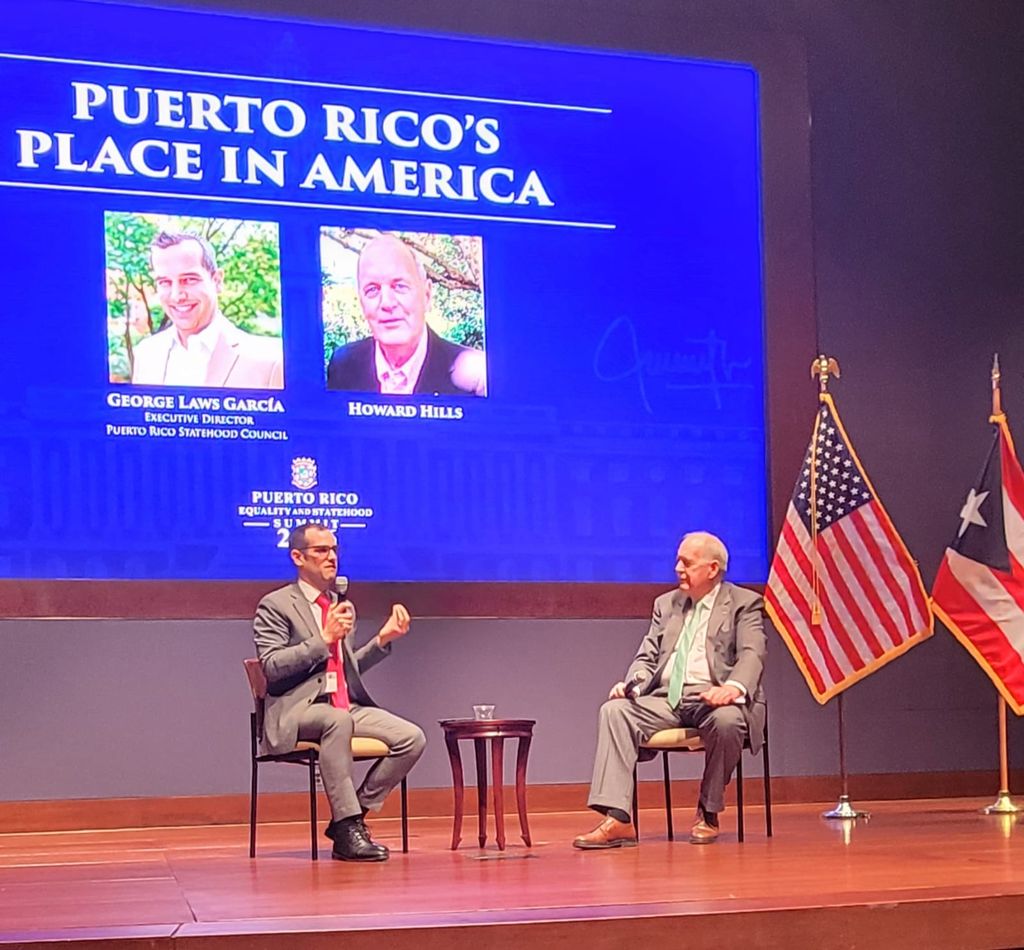
Advocates began the summit with briefings on the island’s current status, the results of the most recent vote in which a majority backed statehood over other options, and talking points tailored to different ideological audiences in Congress. Trainers emphasized that, because Puerto Rico lacks voting representation in Congress, stateside Puerto Ricans and allies in the states are uniquely positioned to move the issue forward by meeting their own members and asking for concrete commitments. Participants left those sessions not just with fact sheets but with assigned meeting schedules and clear asks.
Governor González‑Colón set the tone in a plenary address carried on official channels. Framing statehood as a matter of justice and national interest, she told the audience that “Statehood is not for the government. Statehood is for the people,” and argued that congressional inaction is out of step with what Puerto Ricans have repeatedly voted for at the polls. She described the summit itself as the answer to that inaction: a way to “bring in more people from across the island and from across the states” to visit “all congressional offices,” add new co‑sponsors, and prepare the ground for the filing of a statehood bill in this Congress.
Then take action
The meetings went well beyond symbolic photo‑ops. According to PRFAA, the governor and her team met with senior figures at the White House and with agency leaders to link statehood to national priorities like economic growth, supply‑chain resilience, and national security. On the Hill, she held discussions with chairs and members in committees that oversee territorial affairs, foreign affairs, and energy and infrastructure, tying Puerto Rico’s status to issues such as the island’s electric grid, pharmaceutical manufacturing, and military posture in the Caribbean. At the same time, volunteer delegations met rank‑and‑file Democrats and Republicans, especially from districts with significant Puerto Rican populations, to push for their public support of an admission bill.
Another possibility is a reintroduction of the Puerto Rico Status Act, which includes a binding statehood option. Legislators who continue to believe that Puerto Rico is undecided on status preference can support this bill without understanding that Puerto Rico has already made its self-determination decision.
If the 2025 summit was primarily about building awareness, organizers framed the 2026 Equality and Statehood Summit as the moment to convert awareness into tangible commitments. 150 advocates achieving 140 separate meetings accomplished repeated, personal conversations meant to make Puerto Rico’s status less abstract and more politically urgent. For González‑Colón’s administration, the event also signaled that pushing for admission is not just campaign rhetoric but an ongoing governing priority, coordinated through PRFAA and backed by an increasingly organized stateside network.
No responses yet